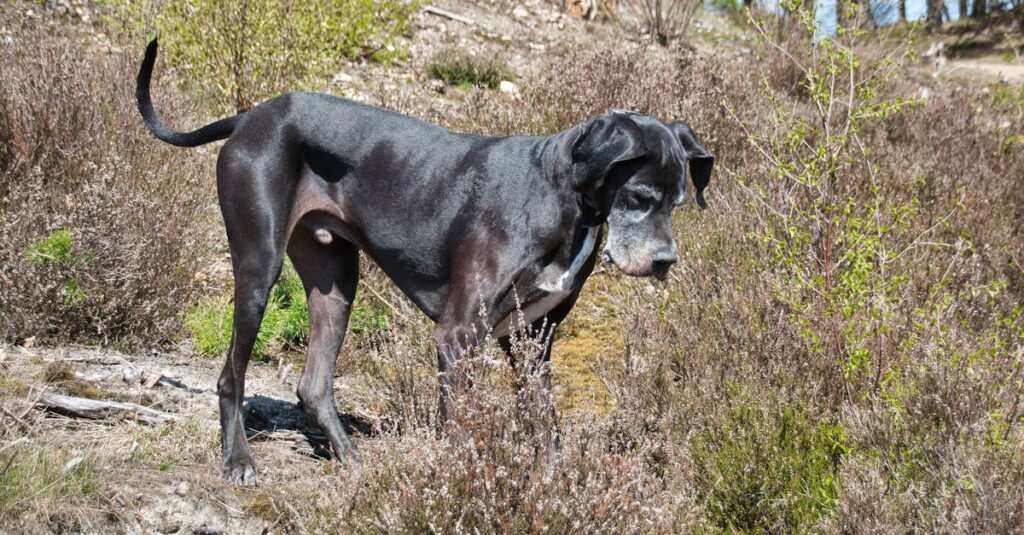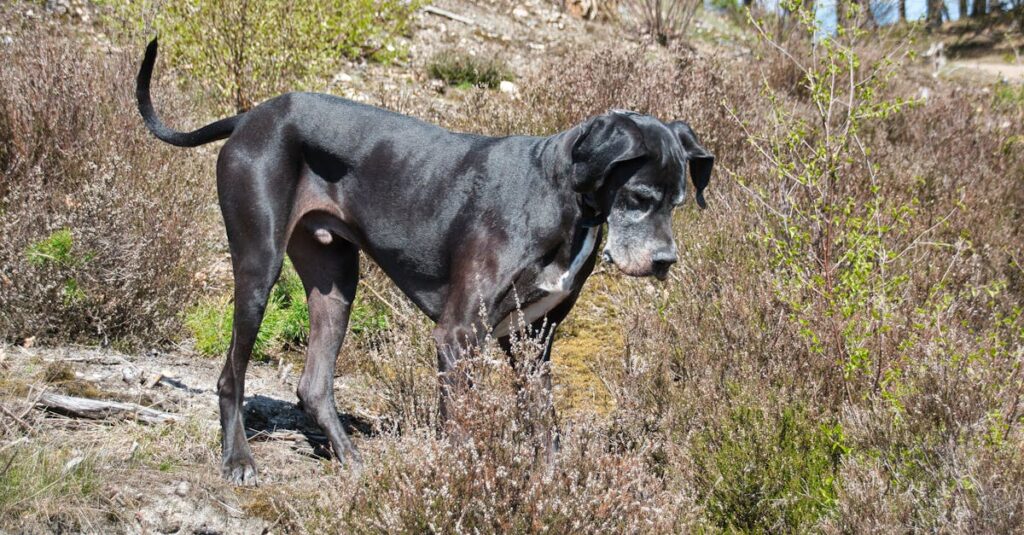

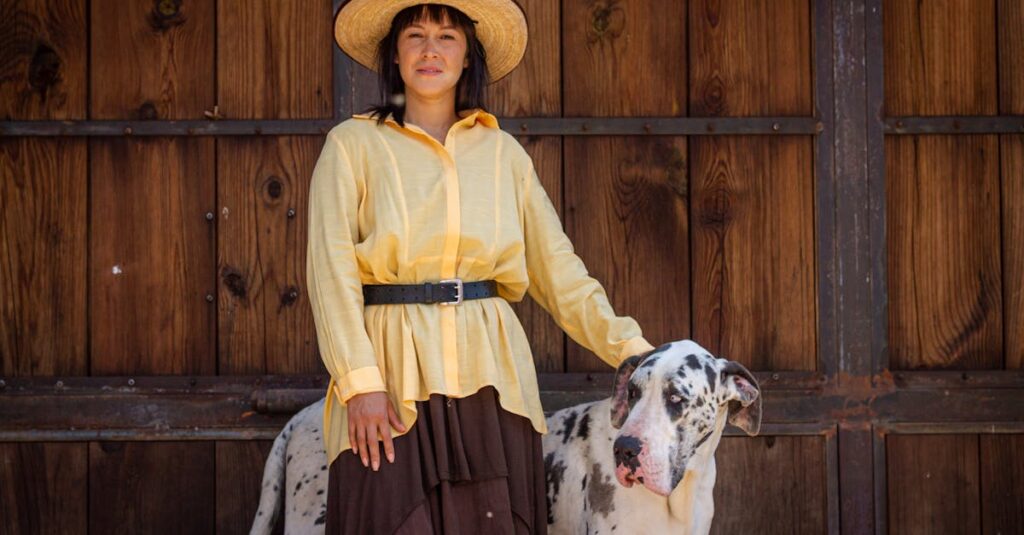
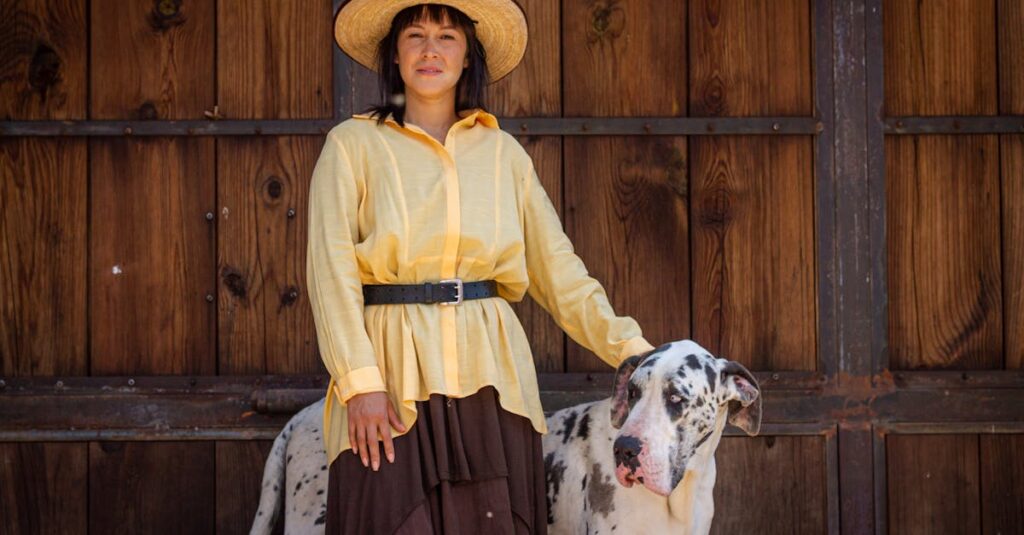
Can a Great Dane Breed with a Chihuahua? This question often sparks curiosity and even amusement due to the vast difference in size and characteristics between these two dog breeds. Nonetheless, understanding the biological, ethical, and practical aspects of dog breeding is crucial before entertaining the idea of such a pairing. While the concept might seem intriguing, it raises serious concerns related to genetics, animal welfare, and veterinary health. Let me guide you through the intricate facts behind dog breeding, the biological feasibility of Great Dane and Chihuahua mating, and the implications surrounding mixed breeds from such distinct ancestors.
Understanding the Biological Challenges of Breeding a Great Dane with a Chihuahua
At first glance, the idea of breeding a Great Dane with a Chihuahua feels like matching a giant and a dwarf—quite literally! Here’s why this pairing is biologically impractical and risky:
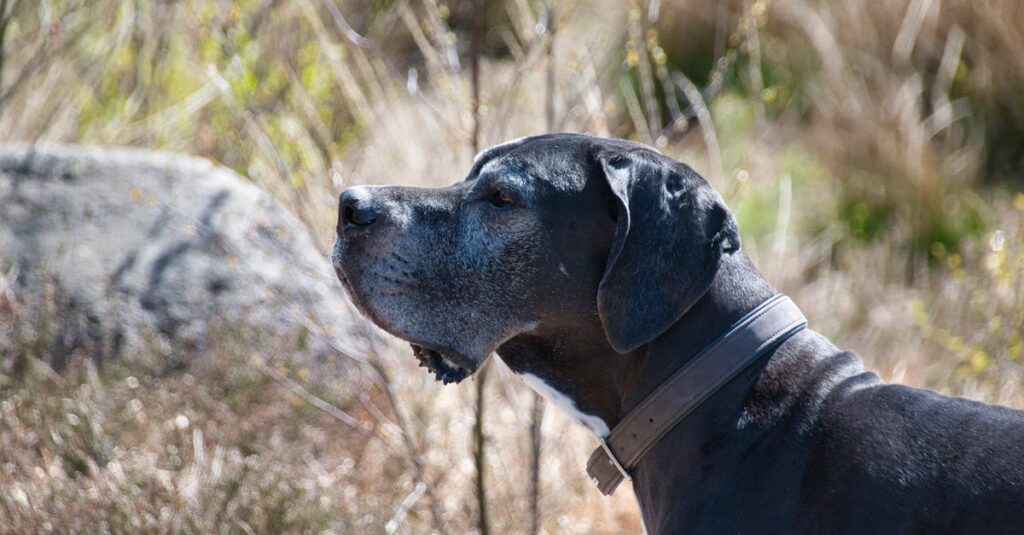
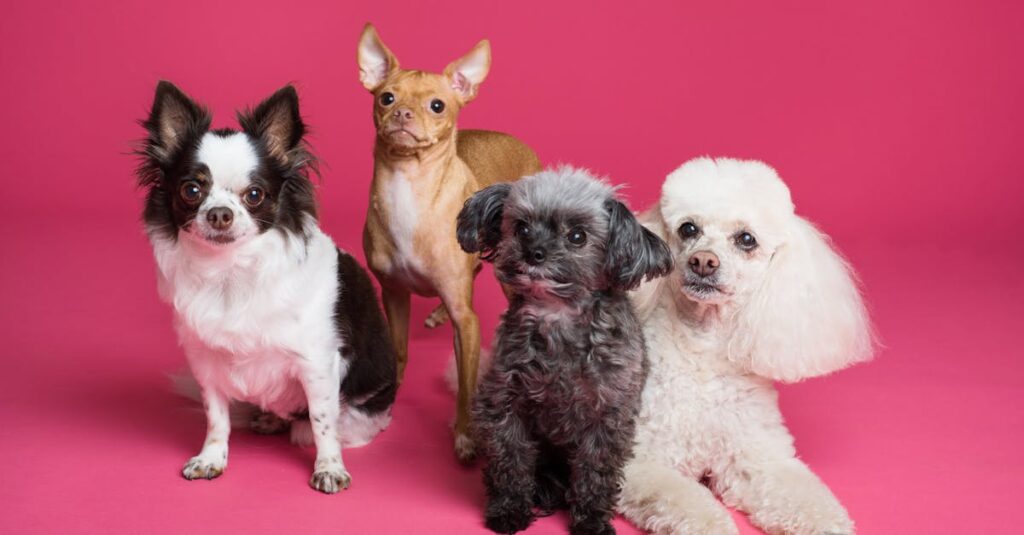
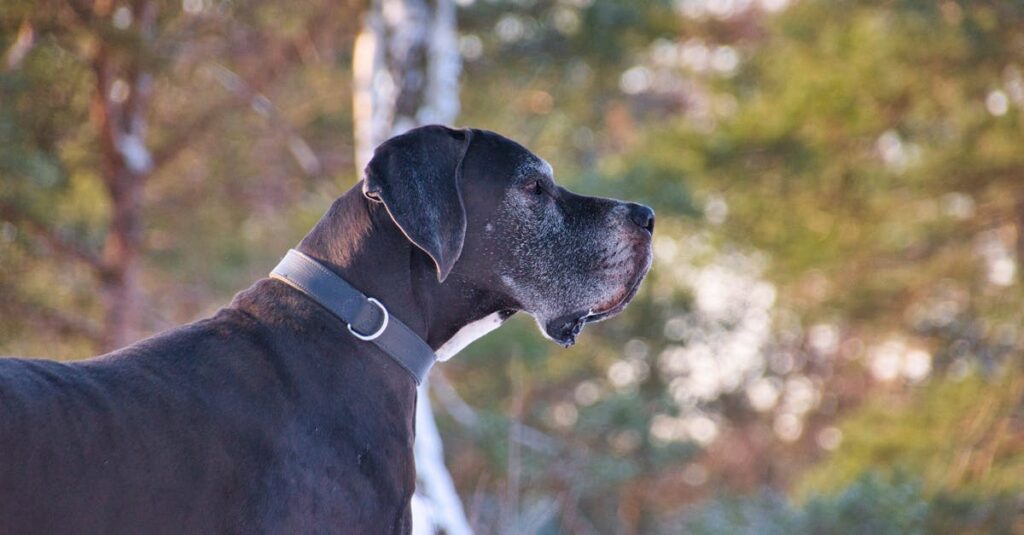
- 🐾 Size disparity: Great Danes can weigh over 100 pounds and stand close to 32 inches tall, whereas Chihuahuas are tiny, usually under 6 pounds and about 6-9 inches tall.
- 🐾 Genetic compatibility issues: Differences in chromosome structure or gene expression might be minimal but the physical compatibility influences mating ability and successful gestation.
- 🐾 Risk to the female dog: If a female Great Dane were bred with a male Chihuahua, pregnancy could be unsafe due to the size of the pups (if any viable embryos develop). Conversely, a female Chihuahua would have grave health risks carrying giant-breed puppies.
In dog breeding, the physical and genetic health of the animals must always be a priority. Attempting to breed vastly dissimilar breeds is not just impractical but can lead to severe veterinary emergencies. To learn more about how genetics influence breed characteristics, take a look at this comparative study on Great Dane and Chihuahua genomes.
What Happens in Dog Breeding Between Such Dissimilar Breeds?
In dog breeding, success depends on controlled genetics, health screening, and planned matings. Here’s what typically happens when breeders try to create mixed breeds with dramatic size differences:
- 🐕🦺 Artificial insemination: Sometimes used when natural breeding is physically impossible.
- 🩺 Veterinary supervision: Essential to safeguard the health of both the dam (mother) and potential puppies.
- 🎯 Selective breeding goals: Breeders aim to combine advantageous traits like temperament and health, which do not apply here due to the extreme size gap.
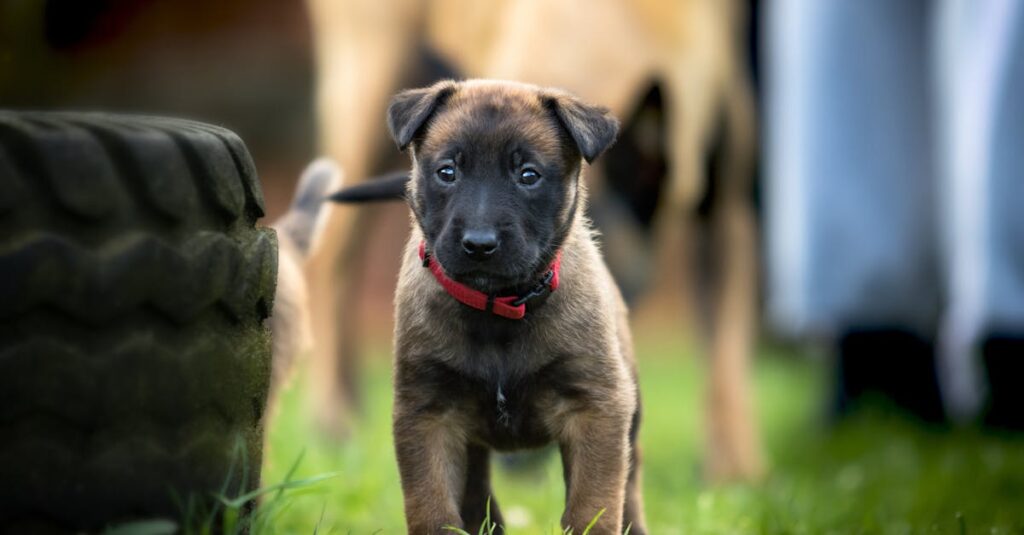
In reality, due to the extreme physical differences, mixed litters between Great Danes and Chihuahuas are not found or recorded in responsible breeding circles. Attempting such breeding goes against animal welfare principles and can lead to dangerous complications.








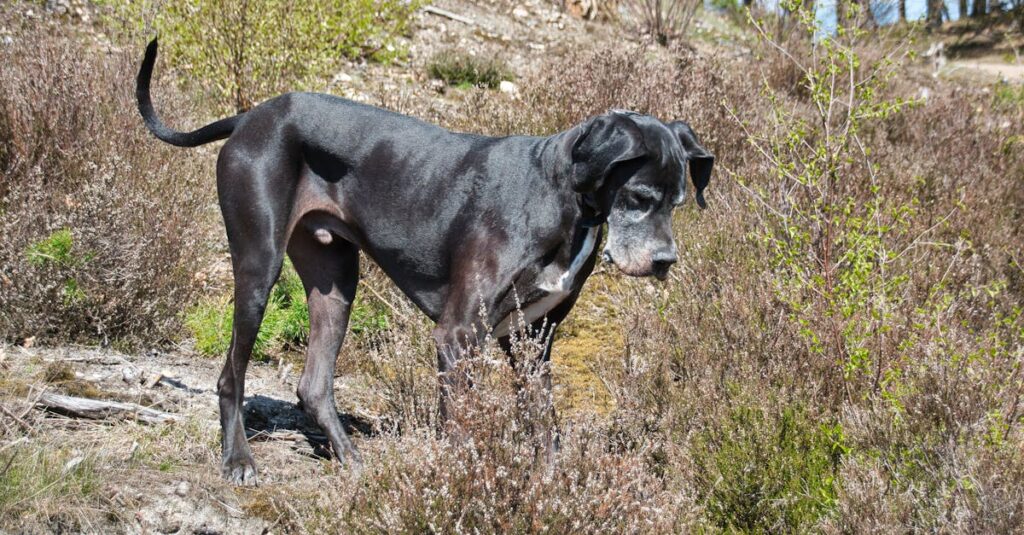




Ethical and Welfare Considerations in Crossbreeding Great Danes and Chihuahuas
Before considering any mixed breeding, the welfare of the dogs involved must be the foremost concern. Here are significant points regarding ethical breeding and animal welfare:
- 🐶 Animal welfare risks: Breeding dogs with extreme size differences may cause suffering during mating, pregnancy, and delivery.
- ⚠️ Health complications: Potential for miscarriage, dystocia (difficult birth), and severe injury to the mother.
- 💡 Long-term health of offspring: If such crosses occurred, puppies might inherit health issues related to body structure, organ size, or joint problems.
- 🛑 Breed standards and regulations: Responsible breeders adhere to ethical codes that strongly discourage such pairings.
Prioritizing animal welfare means focusing on compatible matings that enhance breed vitality and reduce health risks. For insight on responsible dog breeding practices, dog training, and veterinary services, explore resources on animal welfare and pet care.
How Pet Owners Can Ensure Ethical Breeding
Ethical dog breeding is a commitment involving:
- 📋 Health screenings for both sire and dam
- 🌱 Understanding genetics and breed traits
- 🏥 Regular veterinary check-ups
- 🎓 Knowledge in dog training and nurturing for the new puppies
- 🛒 Access to quality pet supplies and insurance for unexpected health care needs
Embracing these principles ensures your beloved pets live happy, healthy lives while respecting the integrity of distinct dog breeds.













Exploring Alternatives: Mixed Breed Dogs with More Compatible Parents
If you love both Great Danes and Chihuahuas, considering more feasible and responsible mixed breeds might meet your interest without risking animal welfare. Breeders often cross breeds with similar sizes and temperaments to produce healthier mixed breeds.
- 🐩 Midsize breed crosses: Breeds like the Beagle mixed with a Cocker Spaniel result in manageable size and temperament.
- 🐕 Designer breeds: Planning breeding with the help of veterinary services ensures the welfare of the offspring.
- 🏡 Adoption from shelters: Many wonderful mixed-breed dogs already need loving homes and can provide a joyful pet experience.
Exploring these alternatives can bring joy and companionship without the challenges associated with large size differences. You can find inspiring stories and tips on dog grooming and training in the community through resources linked to pet supplies and animal wellness.













Frequently Asked Questions About Breeding Great Danes with Chihuahuas
Is it physically possible for a Great Dane to breed with a Chihuahua?
Physically, natural breeding is nearly impossible due to the extreme size difference. Artificial insemination may technically be attempted, but it carries significant risks to the female dog’s health.
Are there any mixed breeds from Great Danes and Chihuahuas?
No documented, responsible breeding has produced such mixed breeds because of the biological and welfare limitations involved.
What are the risks if someone tries to breed a Great Dane with a Chihuahua?
Risks include miscarriage, difficult labor, injury to the mother and puppies, and inherited health problems in offspring. It’s strongly discouraged by veterinary and animal welfare communities.
What is the best way to have both a Great Dane and Chihuahua as pets?
Owning both separately and training them to coexist harmoniously is the best approach. Proper dog training and socialization ensure they thrive together.
Where can I learn more about responsible dog breeding and care?
Visit specialized resources on genetic comparisons, veterinary services, animal welfare, and pet insurance at ttsgreatdanes.com.