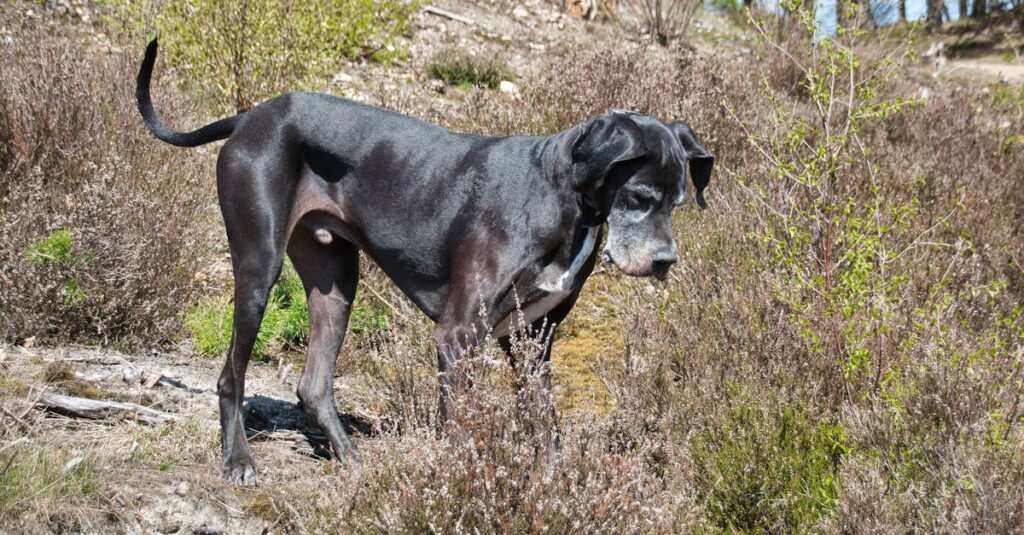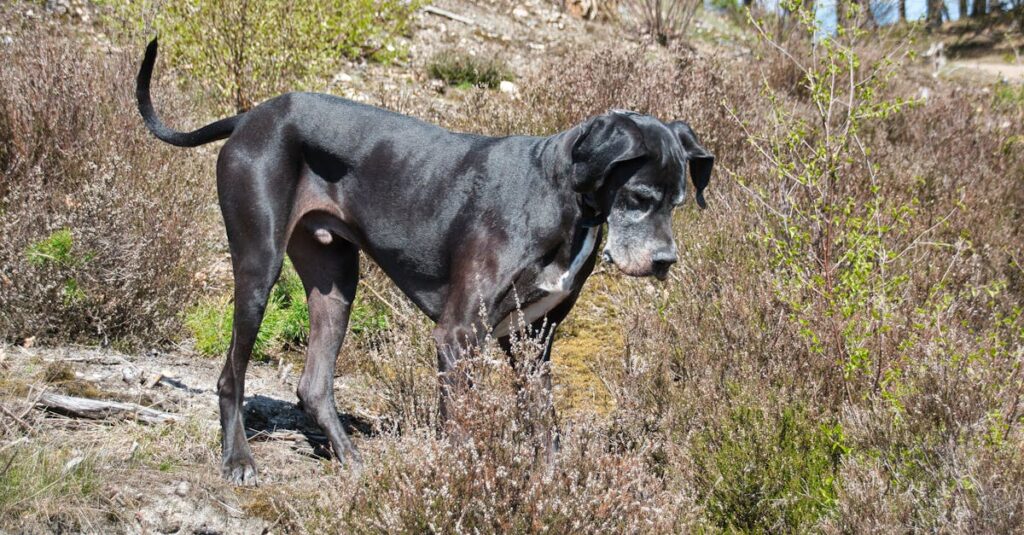

Are Great Dane Dogs Aggressive? This question often surfaces due to their imposing size and powerful presence. While Great Danes are famously dubbed « gentle giants, » the concern about their potential aggression isn’t unfounded. After all, an aggressive behavior from such a massive breed could have serious consequences. So, what’s the reality behind this perception? Let’s delve into the nature of Great Danes, their typical behavior, and the factors that might trigger aggression, to help you better understand this majestic breed and ensure a safe and happy relationship.
Understanding the Nature of Great Dane Aggression: Are Great Danes Naturally Aggressive? 🐾
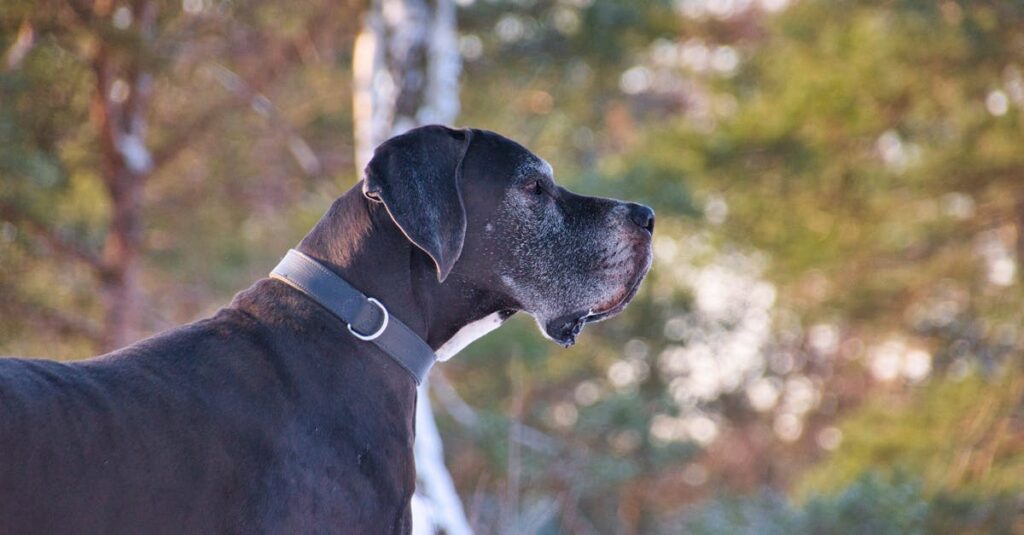
Great Danes are generally affectionate, gentle, and patient dogs, well-loved for their calm demeanor and family-friendly attitude. However, like any breed, they can show aggression under certain circumstances. It’s important to identify what causes such behavior so we can address it properly.
- 🐕🦺 Temperament: Most Great Danes have a peaceful temperament, making them ideal family pets.
- ⚠️ Potential Triggers: Without proper socialization and training, they may develop aggressive tendencies.
- 💢 Warning Signs: Growling, barking, stiff posture, baring teeth, intense staring.
They are protective of their home and family, and when sensing danger or unfamiliar threats—whether from people, other dogs, or pets—they may respond aggressively. Yet, this is often controllable through early training and positive reinforcement.
Key Indicators That Your Great Dane May Show Aggression
Before an aggressive incident, the dog typically displays subtle body language changes. Recognizing these signs early can prevent escalation:
- 🐶 Growling or deep barking without cause
- 👀 Intense staring or “hard” eye contact
- 🦷 Showing teeth or snarling
- 🦾 Body rigidity and stiff movements
- ⚡ Lunging or snapping
Being aware of and responding to these signs by redirecting your Dane or removing them from the situation can avoid conflict.
| Behavior | Meaning | Recommended Action |
|---|---|---|
| Growling | Warning and discomfort | Calmly distract and remove stimuli |
| Showing Teeth | Fear or defensive stance | Give space immediately |
| Stiff Body Posture | Imminent aggression | Seek professional training help |









Can a Great Dane Attack or Cause Serious Harm? What You Should Know ⚠️
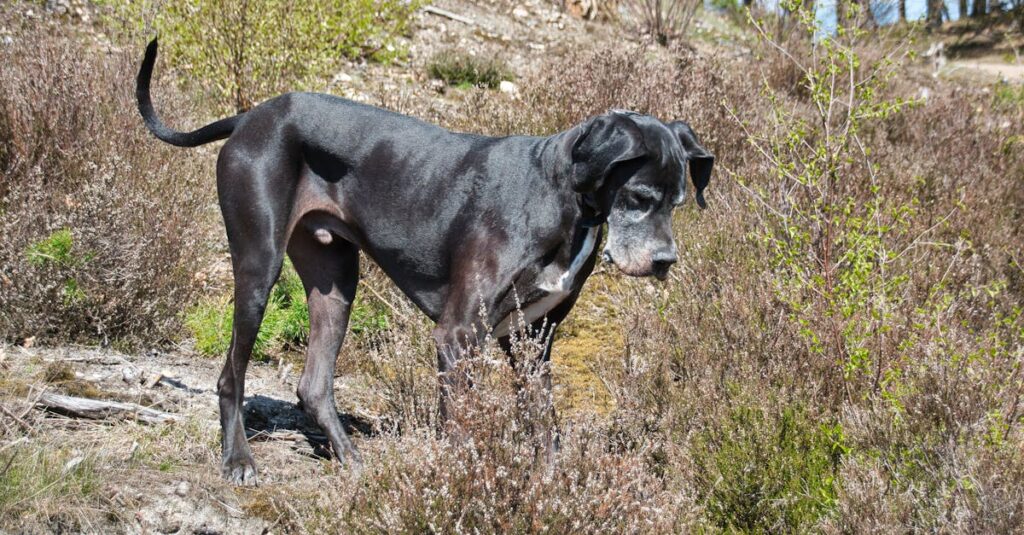
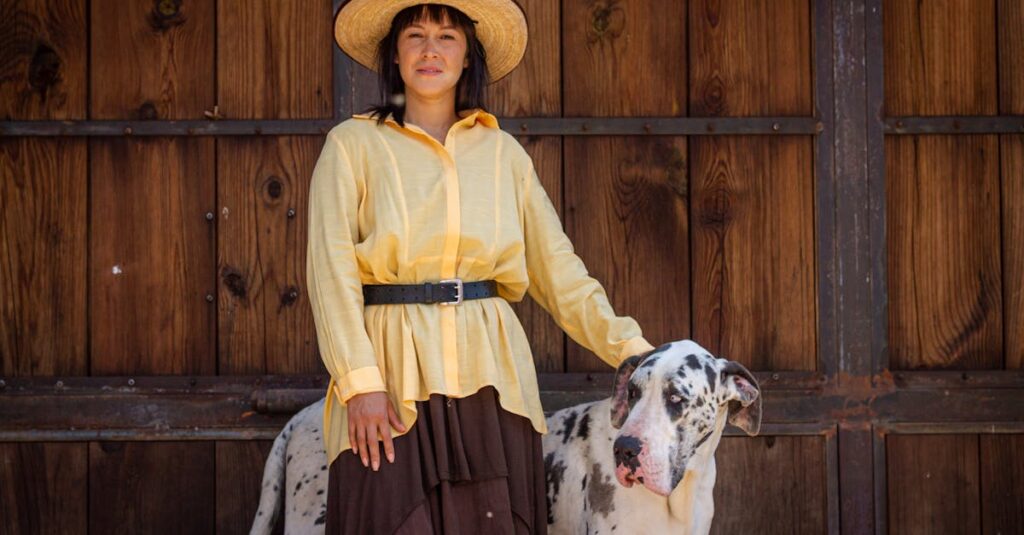
The answer is yes—a Great Dane can be dangerous if aggressive. Despite their gentle nature, their sheer size, strength (up to 180 pounds), and bite force can cause serious injuries or even fatalities.
- 🦷 Their bite is among the most powerful of dog breeds.
- ⚠️ While attacks are rare, they can happen and have caused human fatalities in exceptional cases.
- 🚪 They may act protectively if confronted by intruders or perceived threats.
Understanding how to prevent aggressive behavior through training is crucial. If you want to learn how to tame biting or protectiveness, explore our articles like How to Train a Great Dane Not to Bite and Will a Great Dane Attack an Intruder?.
Great Danes and Interactions with Other Dogs: Are They Dog Aggressive? 🐾🐕
Great Danes are generally sociable dogs that do well with other pets when properly introduced. However, aggression towards unfamiliar dogs can occur due to:
- 🏠 Territorial instincts, especially around their home.
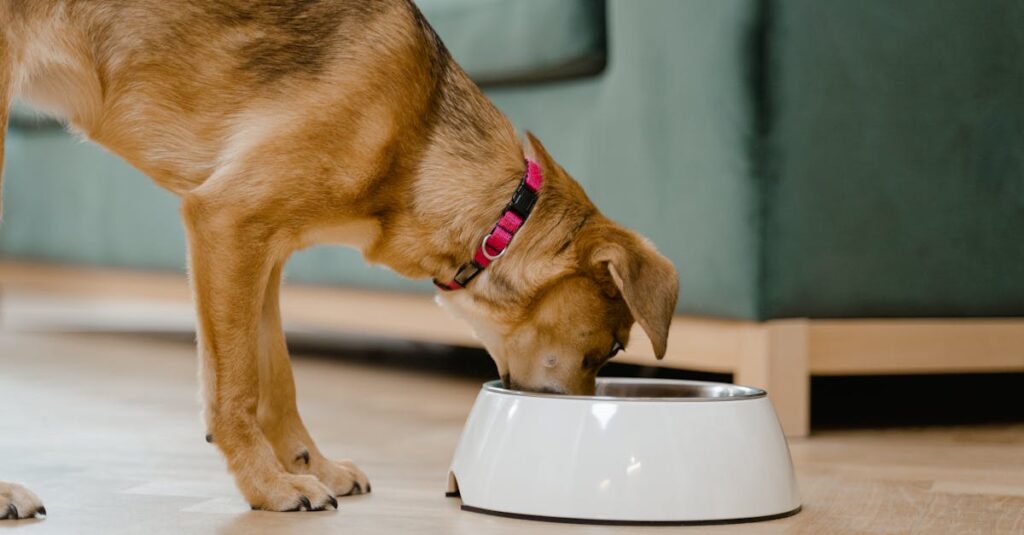
- 🍖 Food aggression when protective of their meals.
- ❗ Lack of early socialization leading to fear or mistrust.
- 👊 Fear-based reactions or feeling threatened.
Early and consistent socialization is the key to temper these tendencies and foster positive interactions. Dog daycare centers like Dogtopia offer excellent socialization opportunities for Great Danes.
| Cause | Aggressive Behavior | Management |
|---|---|---|
| Territorial Instinct | Growling at other dogs near home | Boundary training & desensitization |
| Food Aggression | Snapping when approached while eating | Feed separately & train sharing behavior |
| Fear | Avoidance or defensive biting | Gentle social exposure & positive reinforcement |










What Makes a Great Dane Aggressive? Underlying Causes and How to Address Them 🧠
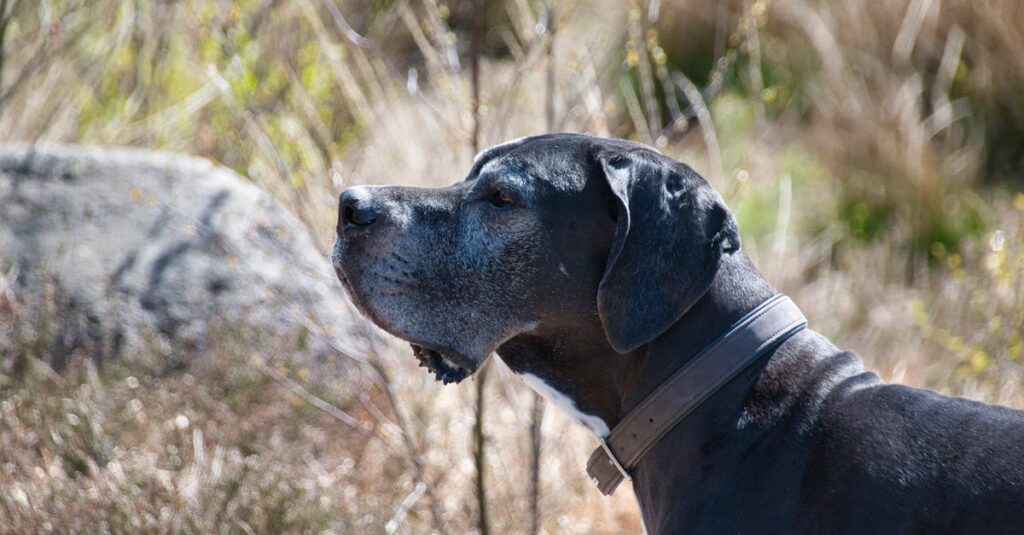
While a number of factors can provoke aggression, understanding and addressing them can often reverse or prevent problematic behavior:
- 😣 Pain or Illness: An injured Great Dane may lash out due to discomfort. Immediate veterinary care is crucial.
- 👎 Mistreatment: Abuse or neglect can cause fear-based aggression requiring patient rehabilitation.
- 📢 Lack of Training: Without consistent commands and boundaries, aggressive tendencies may flourish.
- 🔄 Protectiveness: Strong guarding instincts around owners or food may appear as aggression.
Regular consultation with experienced trainers or veterinarians can ensure your Great Dane remains balanced and happy. For further insights on behavioral changes, check Why Is My Great Dane Becoming Aggressive?.
| Cause | Behavioral Effect | Recommended Response |
|---|---|---|
| Physical Pain | Snapping, growling when touched | Vet assessment & pain management |
| Abuse or Neglect | Fearful aggression, mistrust | Behavioral therapy & positive social exposure |
| Training Deficiency | Disobedience, impulsive biting | Structured obedience classes |
| Territorial Protectiveness | Growling at visitors or animals | Controlled exposure & desensitization |








Nutrition and Care to Support a Calm Great Dane’s Personality 🍗💧
Proper nutrition and care play a significant role in preventing behavioral issues. Feeding a balanced diet with quality food brands like Royal Canin, Purina, Hill’s Science Diet, Blue Buffalo, Wellness, and Merrick supports overall health and mood stability.
- 🥩 High-quality protein to maintain muscle and energy
- 🦴 Balanced minerals & vitamins to support joint health
- 💧 Adequate hydration for physical and mental well-being
- 🦠 Probiotics and antioxidants to boost immune system
Combining good nutrition with mental stimulation, exercise, and socialization rounds out a happy Great Dane’s life.









Essential Tools and Resources for Managing Your Great Dane’s Behavior 🛠️🐾
Using reliable equipment and support services can greatly assist in training and managing your Great Dane:
- 🦮 PetSafe training collars and containment systems to reinforce commands safely
- 📸 Using Pawtographs for capturing behavioral progress and memories
- 🐕 Professional doggy daycare such as Dogtopia for socialization and exercise
- 🍖 High-quality nutrition from brands like Royal Canin and Merrick
Leveraging these resources ensures you provide your Dane with structure, consistency, and care necessary for a well-mannered dog.









Frequently Asked Questions About Great Dane Aggression ❓
- 🐕🦺 Are Great Danes aggressive by nature?
No, Great Danes are typically gentle and friendly but can show aggression if triggers arise. - ⚠️ Can a Great Dane really kill a person?
While rare, their size and strength mean serious injury or death is possible during attacks. - 🐾 Do Great Danes get aggressive with other dogs?
If not socialized early, they can show territorial or food-related aggression. - 🦮 How can I prevent aggression in my Great Dane?
Early training, socialization, health care, and positive reinforcement are crucial. - 🍽️ Does diet affect my Great Dane’s behavior?
Yes, balanced nutrition supports their health and mood, reducing irritability.